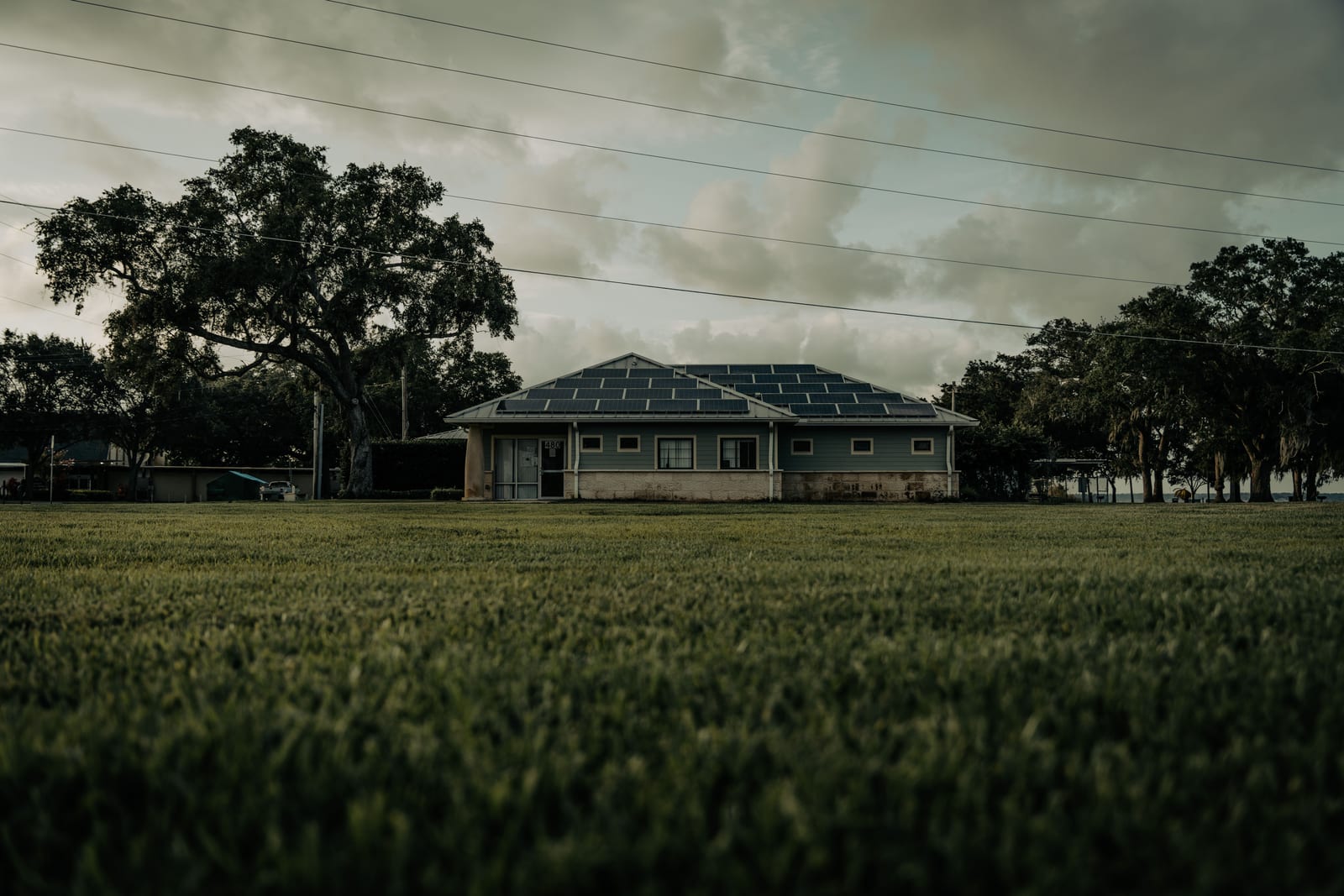
Project 01
Roof-mounted solar
Project details coming soon
Solar & battery · Upper Highway, KZN
Solar, battery and backup systems designed and installed for homes across the Upper Highway.
Book an assessment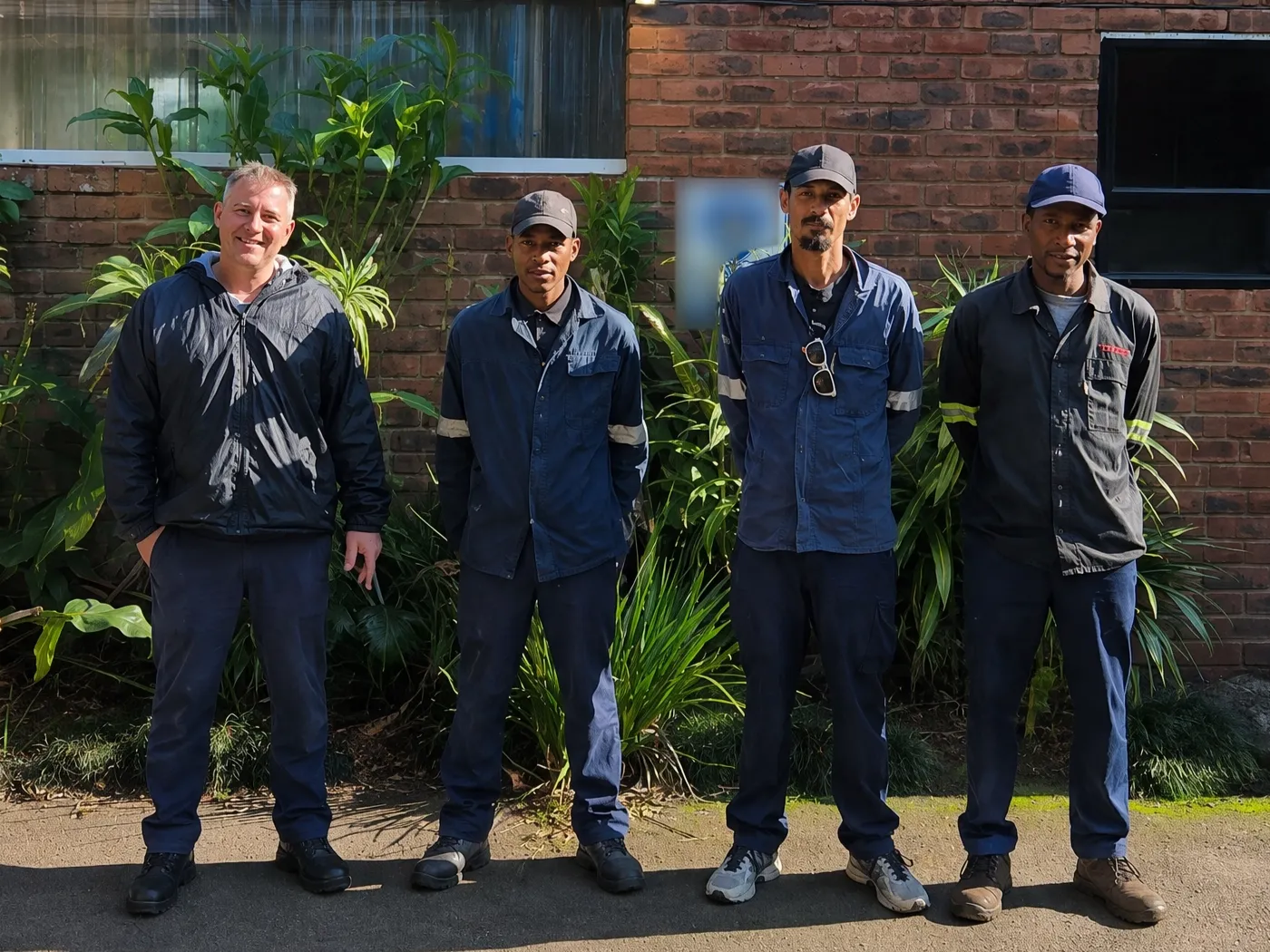
Upper Highway Solar designs and installs solar and battery systems for homes across the corridor. Every system is sized to the property it goes on, installed to standard, and backed by the people who did the work.
Systems installed
Installed capacity
Years operating
What we install
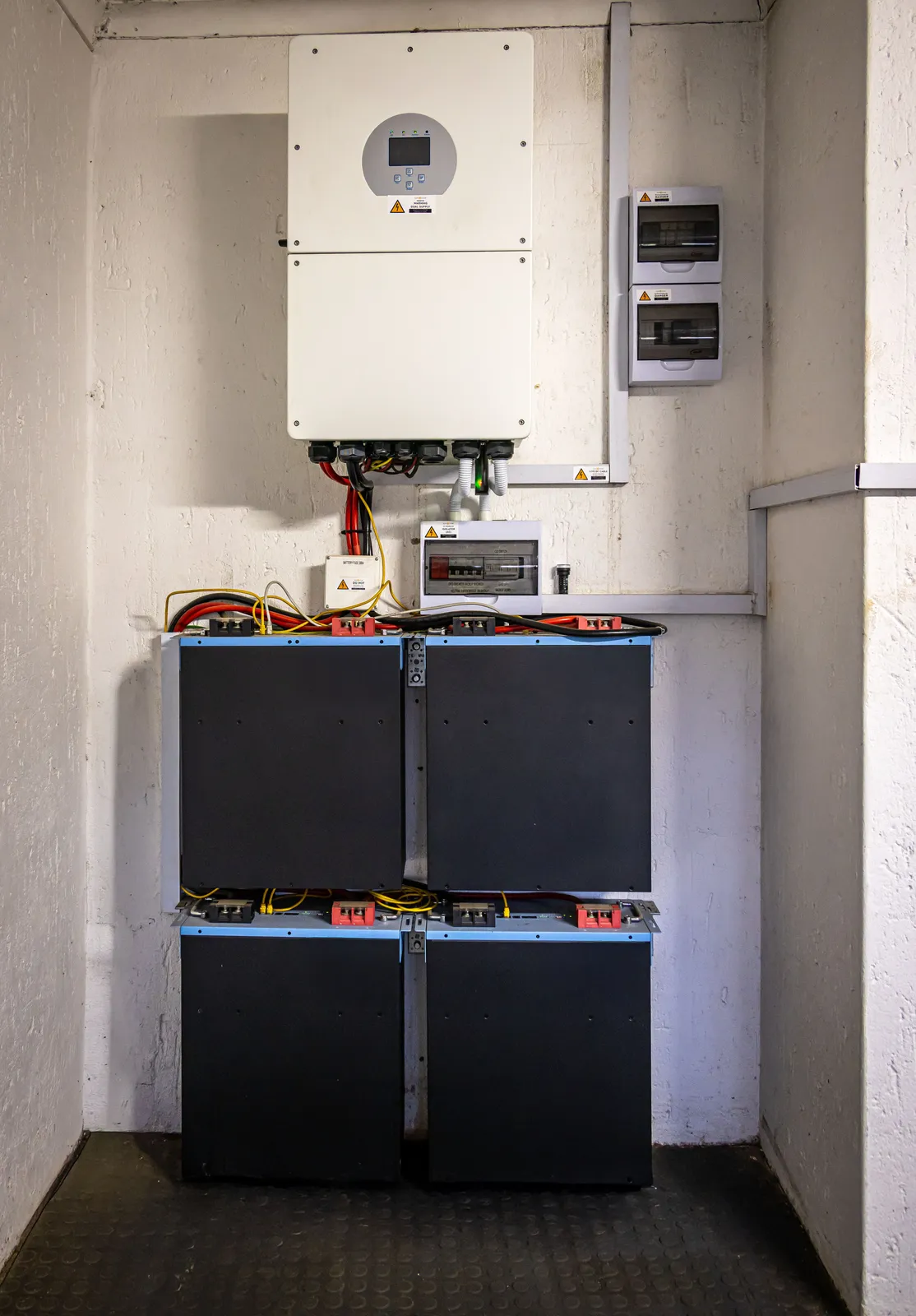
Protect the essential circuits in your home through an outage. No panels needed.
Book an assessment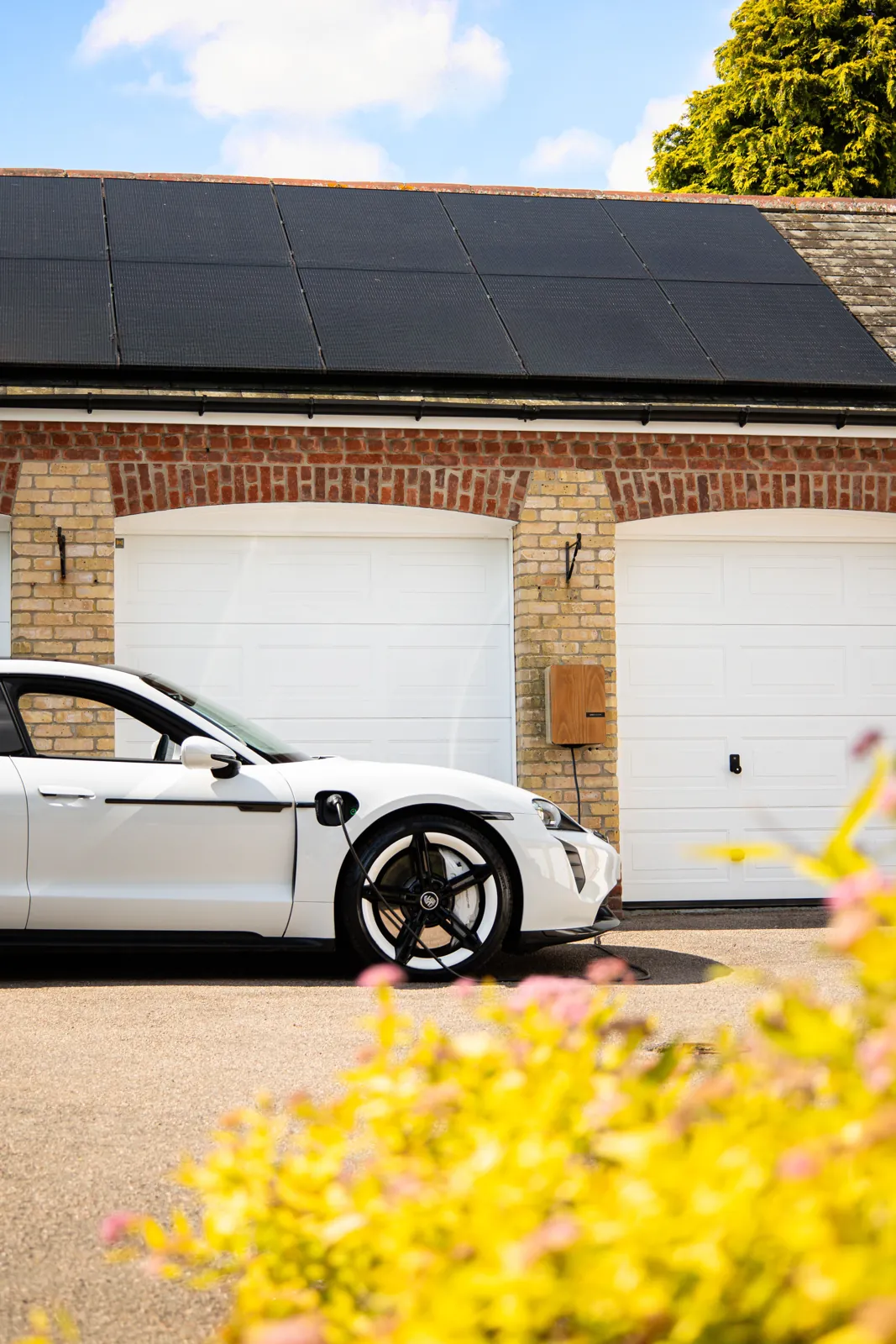
Panels, battery and inverter. Lower bill, and the outages stop mattering.
Book an assessment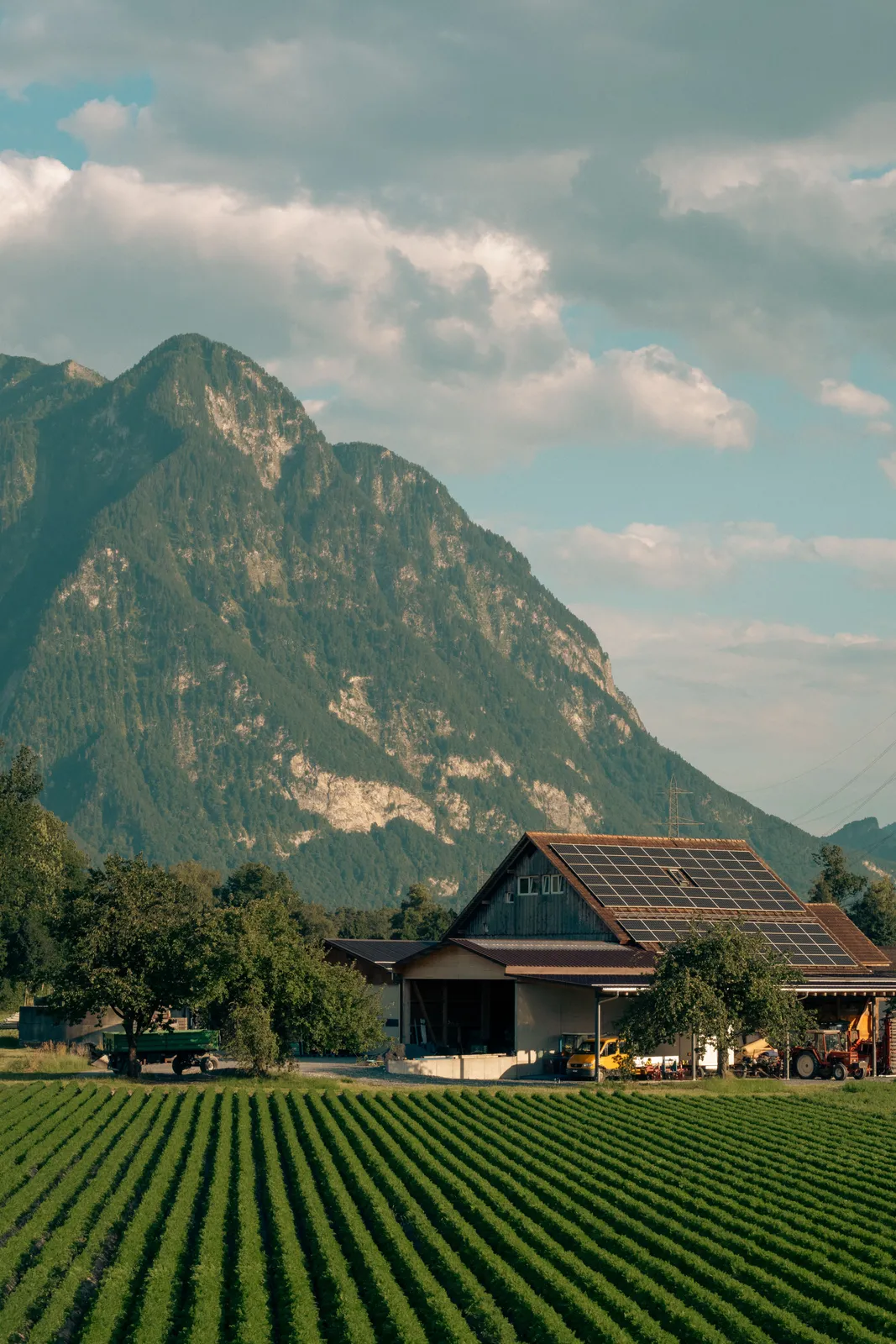
Enough generation and storage to run the house on solar most of the year.
Book an assessment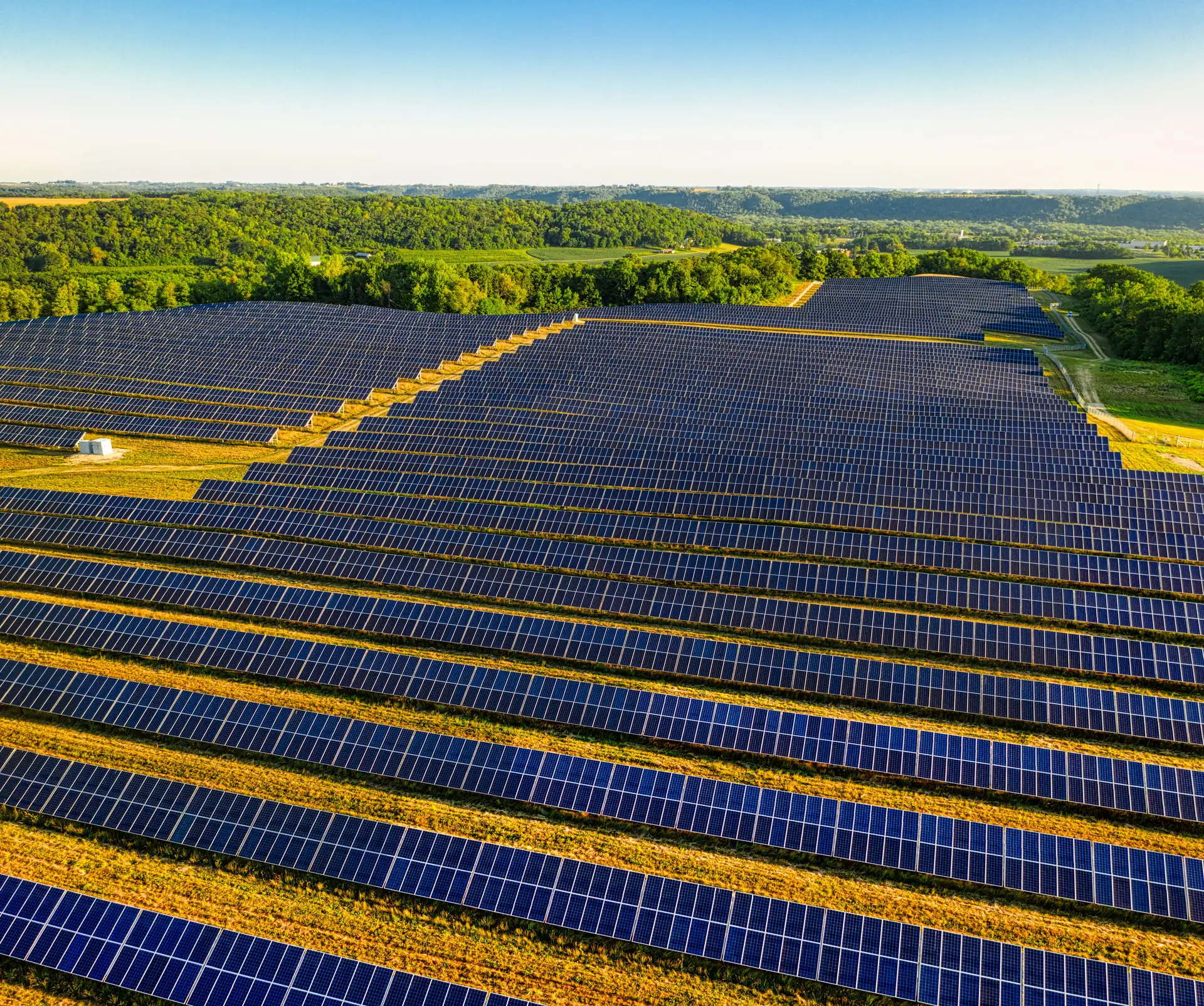
About us
Every system is sized to the property it goes on rather than sold off a tier list — the approach that's carried Upper Highway Solar through more than 250 installations across the corridor.
How it works
Step 01
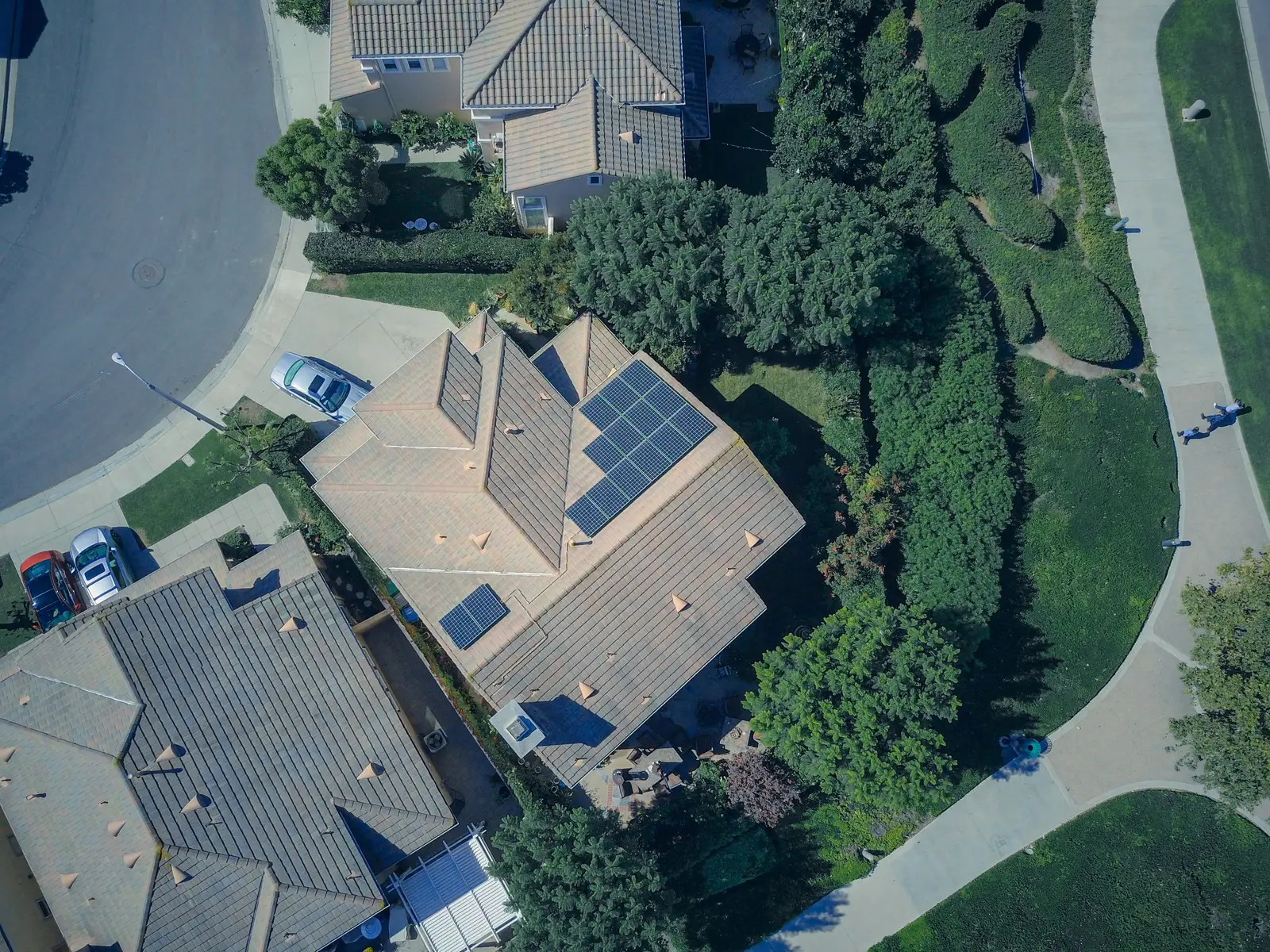
We look at your electricity usage, your loads, your distribution board, the roof space available and what you want the system to achieve. About two hours.
Step 02
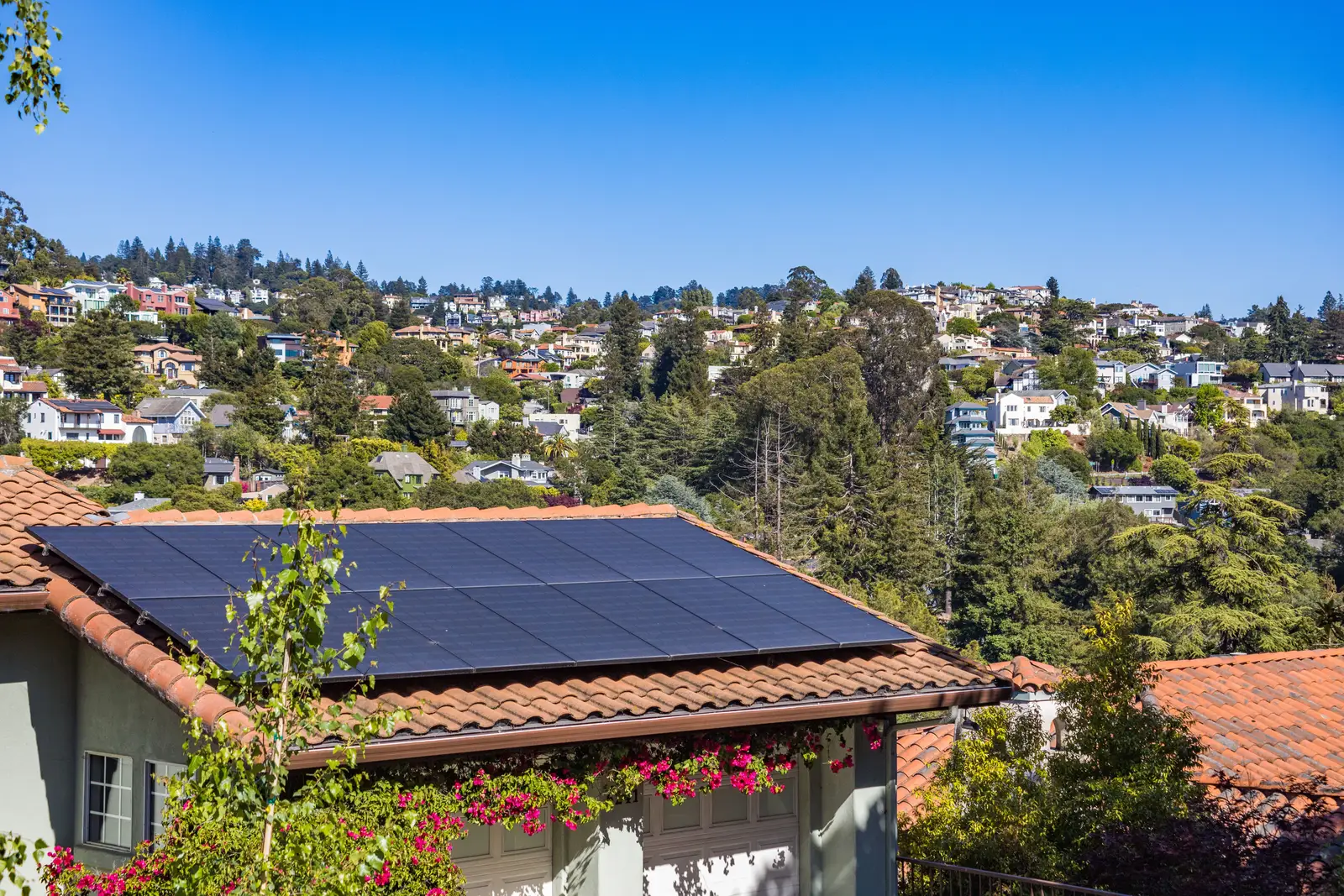
One system, itemised, with what it will and will not carry. Not three tiers to choose between.
Step 03
We install, configure and test the complete system, including any distribution board alterations and circuit separation it needs.
Step 04
The system is commissioned and monitoring set up, with a Certificate of Compliance and a walkthrough of what you now have.
Get in touch.
Recent installations
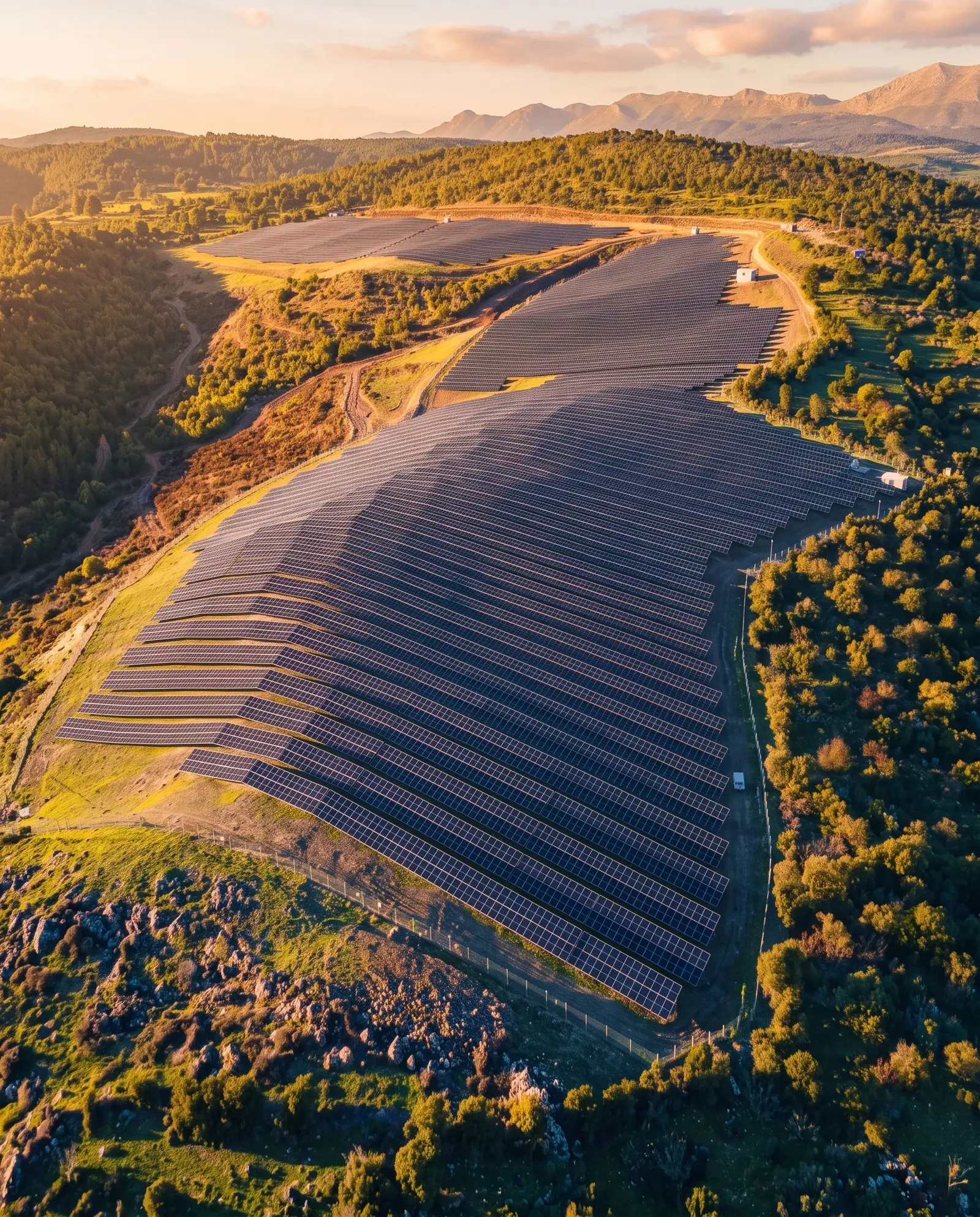
Project 01
Project details coming soon
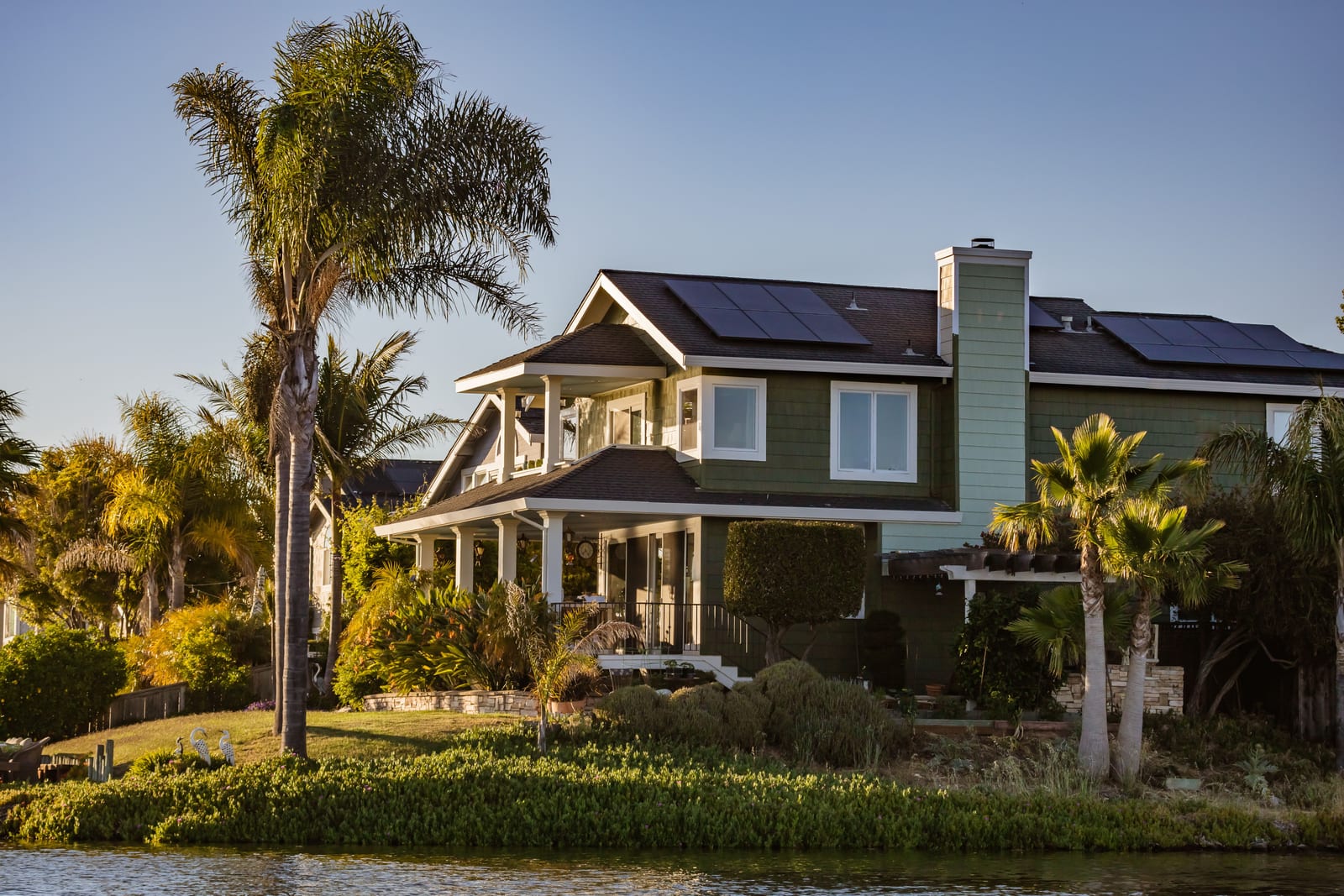
Project 02
Project details coming soon
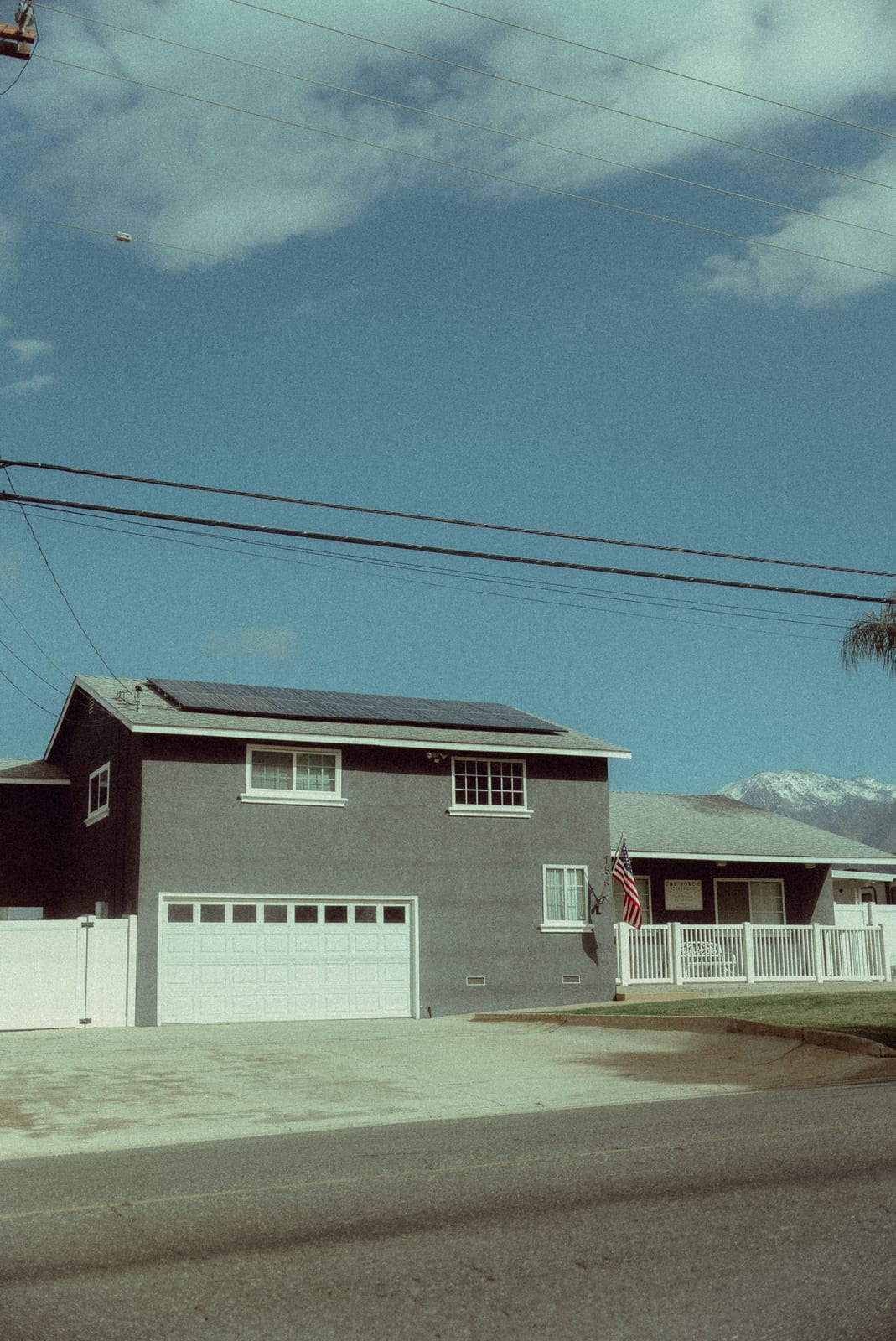
Project 03
Project details coming soon
FAQ
There is no answer to this without your bills. The number that matters is not the size of your house but what you draw and when — a four-bedroom home on gas with no pool can need less than a small one with an electric geyser and a borehole. Bring twelve months of statements to the assessment and the sizing falls out of them.
Usually it reduces it rather than removes it. A grid-tied system with storage typically carries the daytime and evening load and leans on the grid in bad weather and mid-winter. Removing the bill entirely means going off-grid, which costs considerably more and is worth doing for specific reasons rather than as a default.
Yes. A solar installation is an electrical installation and must comply with SANS 10142. An uncertified system is a problem when you sell the property, and it is a problem with your insurer if you ever claim for a fire. Ask any installer who signs the CoC and what their licence number is.
Most residential installations are one to two days on site. Larger systems and difficult roof access take longer. You will be told before the day which circuits go off and for roughly how long.
NEEDS — the warranty answer, which is the single most important one on this list. It should state the workmanship guarantee period, the manufacturer warranties on panels, inverter and battery, and who the customer phones. A vague answer here loses the job to whoever gives a specific one.
System cost depends primarily on the loads being supported, the battery capacity and solar generation required, your existing electrical installation and the complexity of the install. After an assessment, we provide an itemised proposal for the system we recommend — not a price off a tier list.
A site assessment takes about two hours — your bills, your loads, your roof — and ends with a real number, not a package price.